






The Heavy Equipment Rental Market in the UAE
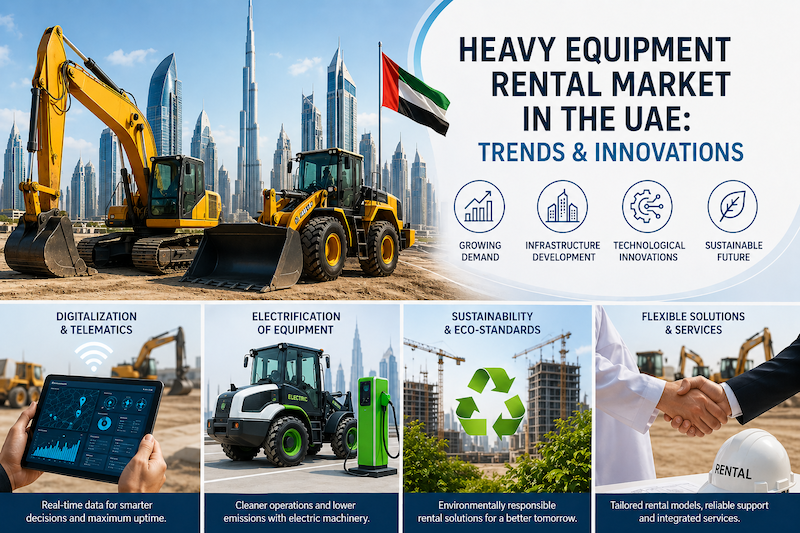
UAE's heavy equipment rental scene looks different now. You used to call, haggle over daily rates, sign something on paper. These days the conversation starts with data. What telematics does the machine carry. How do I pull the hour logs. Can I get the emissions report for the municipality. The whole deal feels less like renting iron and more like onboarding a tech partner. Revenue sat around 1.3 billion dollars last time anyone checked. Pushing past two billion before 2030 seems likely. Not because of hype. Because tying up millions in assets that lose value every quarter just does not make sense anymore. Let the rental firm worry about depreciation. You focus on getting the job done. That is the math people are finally running.
Construction in the emirates shows no signs of slowing down. Skyscrapers, logistics hubs, residential quarters. But the approach to equipment has changed radically. Why invest millions in a fleet that loses value every single day. Rental provides flexibility. Today you need a bulldozer, tomorrow a mobile crane. Yesterday was downtime. You do not pay for idle time. This is arithmetic that works.
Data beats phone calls every time
In Dubai, operators like Byrne Equipment Rental no longer just rent out equipment. They sell access to data. Clients log into their personal accounts and see how many liters of diesel were consumed per shift, how the hydraulics performed, whether the operator exceeded RPM limits. Filter replacement warnings arrive a week before breakdowns. Mechanics arrive with the right parts. Downtime melts away.
Walk past any night shift in Abu Dhabi and the first thing you notice is the quiet. Those excavators digging near the residential blocks do not cough black smoke or rattle the pavement with diesel engines. They just hum. Plug them in for a few hours and they handle the whole shift without a hitch. Neighbors stop calling the city to complain. The rental reps sit down with site managers and pull up the actual numbers. Fuel costs drop. Maintenance calls vanish. You look at the books after eight months and eighteen percent just disappeared. Nobody debates it anymore. The math speaks for itself.
A specific case. A contractor rents a compact electric loader for work in a shopping mall. Noise is limited, no emissions, high maneuverability. The operator experiences less fatigue. Site administration is satisfied. Everyone wins.
Digital platforms have simplified the search to a couple of clicks. Previously, dispatchers spent half the day making phone calls. Now an app shows available equipment nearby, supplier ratings, honest pricing with delivery included. No surprises in the invoice. Transparency has become the norm.
But not everything is smooth. Seasonality makes itself felt. During peak demand, equipment flies off the shelves like hotcakes. During lulls, fleets sit idle. Rental companies are learning to forecast demand. Those who have implemented analytics maintain their margins. Others are forced to dump prices.
What actually works when you sign on the dotted line
Here is what actually works on the ground. Before you sign, ask to see the machine's service history. Not a summary. The full log. If a supplier hesitates, walk away. Make telematics access a written requirement, not a verbal promise. Check whether their environmental certificates match the latest municipal rules because inspectors do cross reference now. New to the market. Start small. One machine, one month. See how fast they respond when something breaks. See if the invoice matches the quote. Scale only after you have proof, not promises.
Look around any active site in the Emirates and you catch the change. That compactor rolling back and forth. Empty cab. The drill rig taking commands from a tablet, operator sipping coffee under shade. Software makes the call on which machine moves where, not a foreman with a clipboard. People still decide the big stuff, sure, but they do it from a laptop, grease free. Remember when rental yards were just rows of equipment waiting for a call. That picture is fading fast. What actually matters now is the invisible work. Knowing a hydraulic line is about to blow before it does. Getting a replacement excavator to the site before the project manager even realizes he needs one.
Companies that get this, they do not treat the rental guy like a vendor. They bring him into the planning meeting. They share their timeline. They let data flow both ways. The firms still insisting on owning everything, keeping their own mechanics on payroll for machines that sit half the month, they will watch their margins shrink. Not because they are bad at what they do. Because the game changed and they did not notice. Markets do not send polite warnings. They just move on. Adapt. Or watch someone else take your contract. That is really all there is to it.


