






The “Green” Revolution: Electric Technology Takes Center Stage
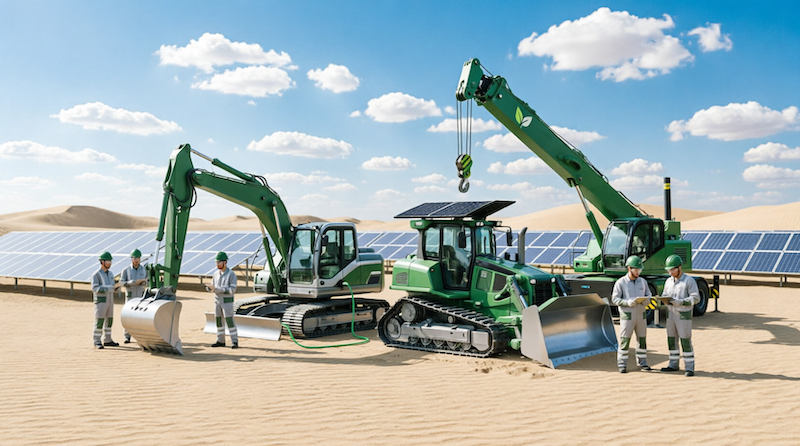
Forget the brochures. Electric kit isn't waiting in some R&D lab in Dubai. It is out there right now, getting dirty, burning through work orders, and keeping fuel budgets from blowing up.
Walk any major site in Dubai Marina or Yas Island and you will see it. Not tucked away in a corner for show. Actually working. Operators who spent decades with diesel rigs are starting to prefer the electric ones. Quieter cabins. Less vibration. No exhaust smell clinging to their clothes after a ten hour shift.
I spoke with a site manager in Al Quoz last month. He mentioned the Volvo ECR25 they brought in for utility work near a school. Parents complained about noise before. Now the excavator runs during daytime hours without a single call to the municipality. The machine charges overnight using the site's existing power connection. No extra generators. No diesel deliveries. Just plug and go.
Heavier equipment is following suit. The EC230 Electric, that 23 ton beast, handled foundation work on a commercial tower in Business Bay. One charge, one full shift. The operator said the torque response feels sharper than diesel, especially in precision tasks like pipe laying. Regenerative braking recaptures energy when the boom lowers. That is not theory. That is measurable savings on the monthly energy bill.
Money talks, and here the numbers are convincing. Yes, the sticker price is higher. But factor in diesel at current rates, plus filter changes, oil swaps, exhaust system repairs. Electric drivetrains have fewer parts that wear out. Maintenance intervals stretch longer. Downtime shrinks. For a contractor running twenty machines, those small savings compound into serious margin protection.
Cities here do not mess around anymore. Dubai cops noise complaints. Abu Dhabi tracks particulate matter. Try running a loud diesel rig past a residential tower at 7 AM and see what happens. Electric machines let you dodge that whole mess. Start early. Finish late. Nobody calls the authorities. Your client stays happy. When you are chasing a handover date, that kind of flexibility is worth more than a shiny spec sheet.
If you are still on the fence, here is what the numbers actually look like on a typical UAE job site:
|
Factor |
Diesel Equipment |
Electric Equipment |
|
Upfront purchase price |
Lower baseline cost |
20 to 30 percent premium |
|
Daily fuel or power cost |
High, tied to volatile diesel prices |
60 to 70 percent lower, stable rates |
|
Maintenance intervals |
Every 250 to 500 hours |
Every 1000 hours or more |
|
Noise level |
75 to 85 decibels |
55 to 65 decibels |
|
Urban work restrictions |
Limited hours, frequent complaints |
Extended hours, minimal issues |
|
Emissions compliance |
Requires filters and additives |
Zero tailpipe emissions |
|
Refuel or recharge time |
10 to 15 minutes |
4 to 8 hours overnight |
|
Suitability for enclosed spaces |
Poor ventilation required |
Safe for indoor or tunnel work |
The table does not lie. You pay more upfront for electric. But over an eighteen month project in Downtown Dubai or Yas Island, those operating savings add up fast. And when municipal inspectors are breathing down your neck, the ability to work without noise violations or emission fines. That is priceless.
It is not perfect yet. Charging infrastructure on remote desert sites remains a challenge. Some crews need training to maximize battery life. The upfront investment requires confidence. But local distributors are adapting fast. They offer site assessments, charging solutions, even trial periods. The support ecosystem is catching up to the hardware.
And yeah, the Net Zero 2050 thing. It is not just a slide in a presentation. Tender committees actually check your fleet now. I have seen bids get shortlisted because the contractor brought electric excavators to the table. Developers want partners who will not embarrass them on sustainability reports. So that electric loader you were unsure about. It might be the reason you win the next project. People in procurement are asking different questions these days. You want to have good answers ready.
My take after covering this sector for years. The shift to electric is not about being green for green's sake. It is about building smarter, cheaper, and with fewer headaches. The technology has matured. The economics work. The regulatory tailwinds are real. If you are specifying equipment for projects starting in the next eighteen months, electric deserves a seat at the table. Not as a future consideration. As a practical option for right now.


